Refrigerated trucking in Ontario
Some freight has a temperature it must hold from the shipper's dock to the receiver's. Supreme Trux moves chilled, frozen and freeze-sensitive loads across Canada in temperature-controlled trucks.
What is temperature-controlled freight?
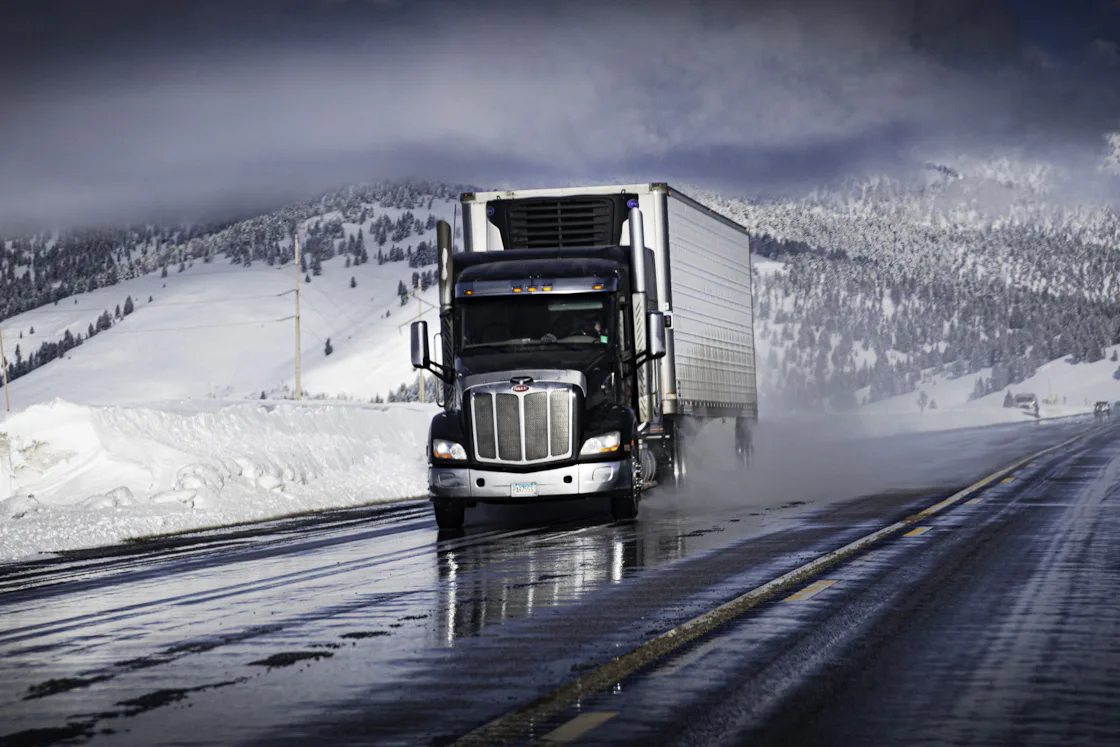
Temperature-controlled freight travels in an insulated trailer with its own refrigeration unit, known as a reefer. The driver sets a temperature and the unit holds it for the whole trip by cooling in summer or heating in winter. It is used for food, beverages, plants and other goods that spoil, melt or freeze.
A reefer does not cool warm product down. It holds freight at the temperature it was loaded at, so the product has to be at the right temperature before it leaves your dock.
What needs a temperature-controlled trailer?
- Fresh and frozen food, dairy, meat and produce
- Pharmaceuticals and health products that must travel at their labelled temperature
- Beverages and anything in glass or cans that bursts when it freezes
- Chocolate, candy and other goods that melt in a hot trailer
- Plants and flowers
- Paint, adhesives and water-based chemicals in winter
What temperature does my freight need?
The product sets the temperature. Frozen food normally travels at −18 °C or colder and chilled food between 0 and 4 °C. Goods that only need protection from frost ride above freezing. Give us the exact range from your product specification and we set the trailer to match.
| Band | Typical range | Examples |
|---|---|---|
| Frozen | −18 °C or colder | Frozen food, ice cream |
| Chilled | 0 to 4 °C | Dairy, fresh meat, prepared food |
| Cool | Set by the product | Produce, chocolate, plants |
| Protect from freezing | Above 0 °C | Beverages, paint, water-based products in winter |
Canada's Safe Food for Canadians Regulations require a vehicle that carries food to or from a food business to be able to hold the temperature that food needs. The range itself comes from the food, which is why we ask you for it.
How to get a temperature-controlled load ready
- Bring the product to its shipping temperature before the truck arrives.
- Write the required temperature range on the bill of lading, in Celsius or Fahrenheit, with the unit stated.
- Leave space around the pallets so air can move along the walls and over the top of the load.
- Load quickly and keep the dock door closed when you can.
- Tell the receiver when the truck will arrive so the freight goes straight into cold storage.
What we need to quote a temperature-controlled shipment
- Pickup and delivery postal codes
- The required temperature range
- Pallet count, with size and weight
- What the product is
- Pickup date and any delivery appointment
Temperature-controlled FAQ
What is a reefer truck?
A reefer is a refrigerated trailer or truck body. It has insulated walls and a diesel or electric unit on the front that cools or heats the air inside to a set temperature. The name is trucking shorthand for refrigerated.
Do I need temperature control in winter?
Often, yes. An ordinary dry van reaches the outside temperature within hours, and an Ontario winter night is cold enough to freeze beverages, paint and other water-based products. A reefer set above freezing, sometimes called heat service or protect-from-freeze, keeps them safe.
Can a reefer cool down warm product?
No. A refrigeration unit is sized to hold a temperature. It cannot pull the heat out of a full load of warm product in time. Product loaded warm will stay warm for most of the trip. Pre-cool it to the shipping temperature before the truck arrives.
What temperature should frozen food be shipped at?
Frozen food is normally shipped at −18 °C or colder, which is about 0 °F. Use the range on your product specification or your customer's receiving requirements, and write it on the bill of lading so the driver sets the trailer correctly.
Other ways to ship
Shipping something temperature-sensitive?
Send the temperature range and load details online, or call dispatch at 647-677-0024.